The Collaborative Economy: How Indie Artists Thrive by Sharing Resources

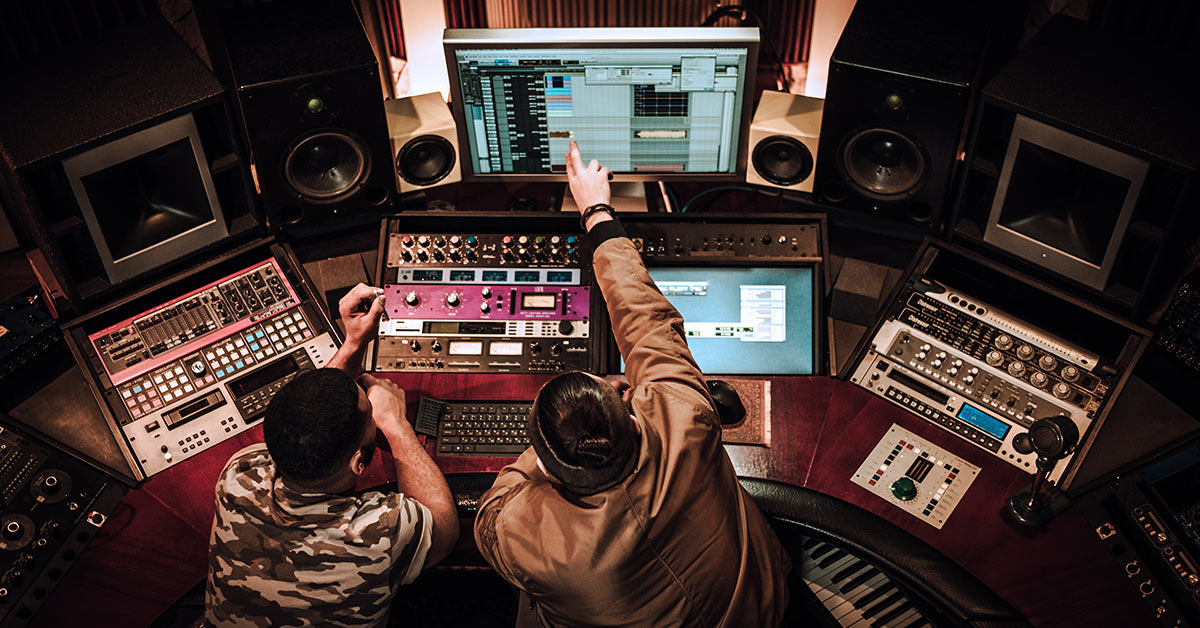
Independent artists in 2026 face increasing competition, yet collaboration—not solo hustle—can provide a sustainable advantage. The collaborative economy allows artists to share resources, skills, and audiences to reduce costs, increase reach, and create better music. By embracing partnerships with other musicians, producers, marketers, and even fans, indie artists can achieve results previously reserved for label-backed acts.
Why Collaboration Beats Isolation
Many indie artists try to do everything alone, from production to marketing. Collaboration offers:
• Access to skills and tools you don’t have
• Cost savings through shared resources
• Expanded audience reach by cross-promotion
• Fresh creative perspectives and experimentation
• Opportunities for mentorship and guidance
Your network can be as valuable as your talent.
Forms of Collaboration
Collaboration isn’t limited to music features. It can include:
• Co-producing tracks or sharing studio time
• Cross-promoting releases with other artists
• Joint content creation for social media
• Shared marketing campaigns or ad costs
• Community-driven initiatives like remix contests or fan contributions
Building Mutually Beneficial Partnerships
Effective collaboration depends on clear communication and alignment:
• Define roles and contributions upfront
• Set expectations for timelines, promotion, and revenue
• Prioritize partners who complement your style and audience
• Share credit fairly to maintain trust and long-term relationships
• Treat collaborations as experiments that benefit both parties
Fan Collaboration: Beyond Traditional Partnerships
Fans can also be collaborators:
• Invite fan-generated content for music videos or social media
• Let superfans contribute ideas for lyrics, visuals, or merch
• Host remix or cover contests to involve the community
• Use fan feedback to iterate creative choices
• Recognize contributions publicly to reinforce loyalty
Leveraging Collaborative Marketing
Shared promotion maximizes impact without overspending:
• Joint live streams or virtual events
• Co-branded merch or limited edition bundles
• Tag-team social media campaigns
• Shared email lists or newsletter swaps (with fan permission)
• Collaborative contests and giveaways to expand reach
Long-Term Benefits of Collaboration
Artists who embrace the collaborative economy gain:
• Reduced isolation and burnout
• Stronger community and industry connections
• Access to opportunities not available individually
• Increased creative growth and output quality
• A scalable approach to building sustainable music careers
Final Thought: Collaboration as a Growth Engine
Independent artists in 2026 who harness the collaborative economy grow faster, spend less, and create more impactful music. By sharing resources, combining audiences, and involving fans as co-creators, artists transform competition into opportunity. Collaboration is not just a tactic—it’s a sustainable strategy for long-term success.
The artist who collaborates builds more than music—they build a community.






Comments
No comments yet, be the first submit yours below.