Luxury Apartments Are Starting to Look Like Copy-and-Paste Buildings—Different Price Tags, Same Exact Floor Plan

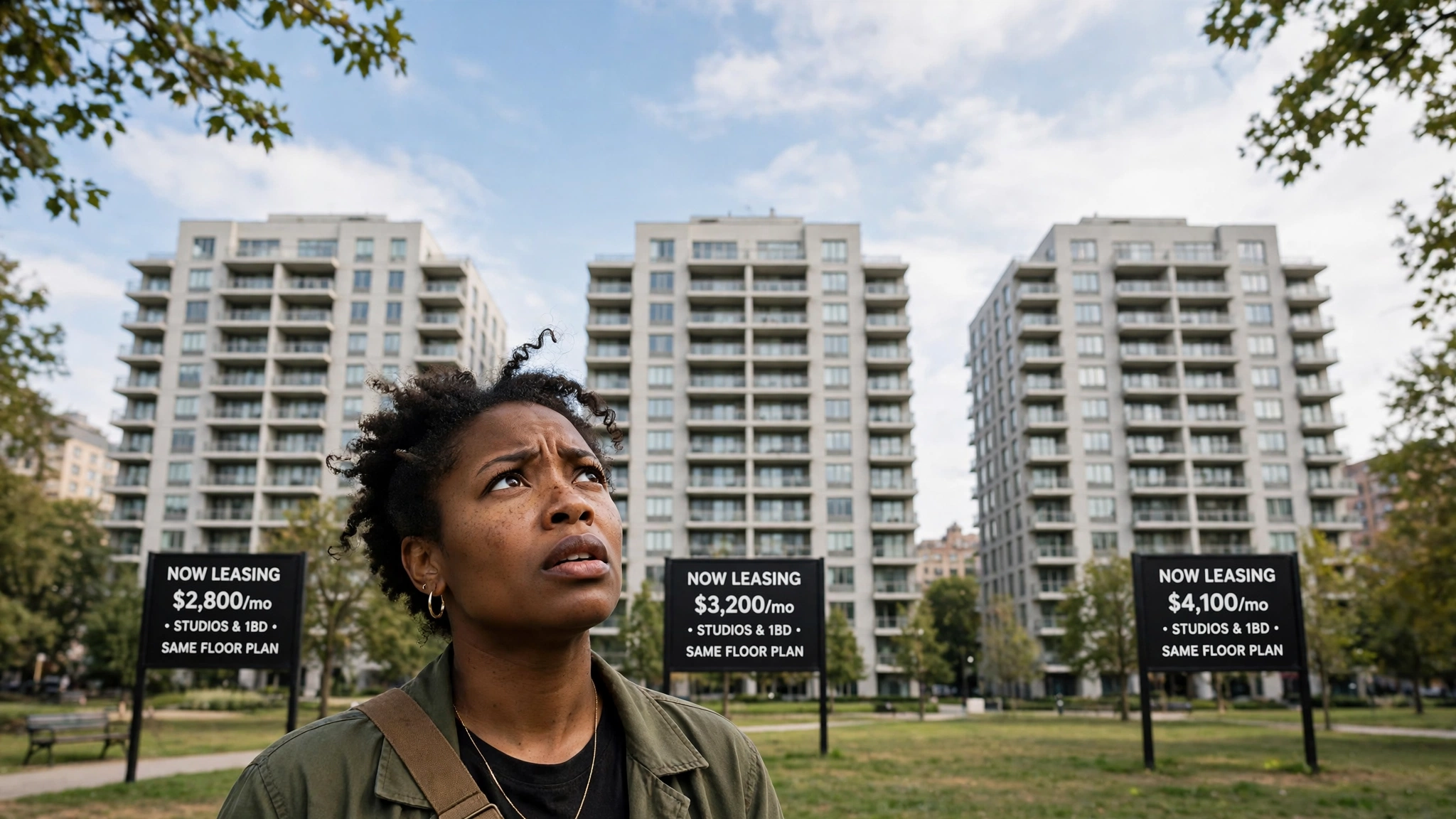
Apparently, luxury living means paying more money to live in a building that looks suspiciously like every other apartment building you've already seen.
Walk into enough luxury apartment complexes and eventually you start noticing something: they're all beginning to look the same. The lobby might have a different color scheme, the exterior might have a different architectural design, and the leasing office might have a fancy coffee machine, but once you get inside the actual apartment, you've practically seen the layout before.
Same kitchen island. Same open-concept living room. Same bedroom placement. Same bathroom arrangement. Same gray or beige color palette. Sometimes the only thing separating one complex from another is the logo on the wall and the amount they're charging you every month.
Different Buildings, Identical Experiences
There's nothing inherently wrong with an efficient apartment layout. Developers have figured out which floor plans are practical, which features attract renters, and which designs can be replicated across multiple properties. Reusing successful layouts can reduce construction costs and make buildings easier to manage.
But at what point does efficiency become a lack of imagination?
When every apartment has the same kitchen, the same island, the same overhead lighting, and the same open living space, the luxury starts feeling less like a unique living experience and more like a product coming off an assembly line.
They'll change the backsplash, put a different light fixture over the island, add a trendy accent wall, and call it a completely different design. Congratulations. You have discovered the apartment industry's version of changing the wallpaper on your phone.
Luxury Has Become a Marketing Strategy
The word "luxury" is doing a lot of heavy lifting in the rental industry. A building can advertise luxury amenities, premium finishes, resort-style living, and an elevated residential experience. But those descriptions don't necessarily tell you whether the actual apartment is substantially better than another property charging hundreds of dollars less.
A swimming pool, fitness center, package room, rooftop lounge, and controlled-access entrance can certainly add value. But those shared amenities don't automatically make the apartment itself exceptional.
And let's be honest: a rooftop lounge doesn't magically make your kitchen bigger. A fitness center doesn't give you additional closet space. A fancy lobby doesn't make the walls thicker or eliminate the noise coming from the neighbors upstairs.
You're Paying for the Presentation, Too
Part of the appeal is the presentation. Developers understand that people don't just rent square footage. They rent an image of the lifestyle they believe comes with it.
The staged furniture, decorative lighting, professionally photographed model apartments, and carefully selected finishes help sell that image. You're not simply looking at a place to sleep. You're being introduced to a particular version of adulthood, success, convenience, and comfort.
But once the furniture is removed and you move your own belongings inside, the marketing disappears. What remains is the actual apartment: its dimensions, storage, construction quality, noise levels, maintenance, and monthly cost.
That's when you discover whether you paid for something genuinely valuable or just a really convincing leasing presentation.
Why Doesn't Luxury Mean More Variety?
Imagine if apartment developers competed on more than attractive finishes and shared amenities. What if they offered genuinely different layouts for different lifestyles?
Some people want larger kitchens. Others want separate dining rooms, additional storage, dedicated workspaces, larger balconies, or bedrooms that aren't positioned directly beside the living room. Some people would rather have a smaller building with more privacy than a massive complex with a thousand residents sharing the same amenities.
There are plenty of ways to make residential design more interesting without simply adding another expensive clubhouse.
Instead, the industry often seems focused on reproducing the same popular formula. Build something that photographs well, give it a fashionable name, install a few recognizable amenities, and position the rent at the luxury end of the market.
Renters Should Start Comparing More Than the Price
The next time you're touring a luxury apartment, look beyond the lobby. Compare the actual floor plans. Pay attention to usable space, storage, sound insulation, appliance quality, parking costs, utility expenses, and maintenance history. Ask what is included in the rent and what comes with an additional monthly charge.
Two buildings can look completely different from the street and offer nearly identical apartments once you walk through the front door. Meanwhile, two apartments with similar layouts can have dramatically different construction quality and management.
Don't let a beautiful leasing office convince you that you've discovered something extraordinary.
Maybe Luxury Should Mean Something Different
There's nothing wrong with wanting a beautiful place to live. People work hard, and they deserve comfortable homes. But luxury should mean more than a trendy color palette, a stainless-steel refrigerator, and a swimming pool that closes before you get home from work.
It should mean thoughtful design, quality construction, functional space, privacy, dependable maintenance, and features that genuinely improve everyday life.
Because if I can tour five different luxury apartment complexes and walk into essentially the same apartment five times, somebody needs to explain what exactly I'm paying extra for.
At some point, the industry needs to stop confusing expensive with exceptional. A higher rent doesn't automatically mean a better living experience.
Maybe the next big luxury apartment trend should be something revolutionary: an apartment that actually feels different from the last one.










Comments
No comments yet, be the first submit yours below.