The Hidden Eyes in Everyday Life

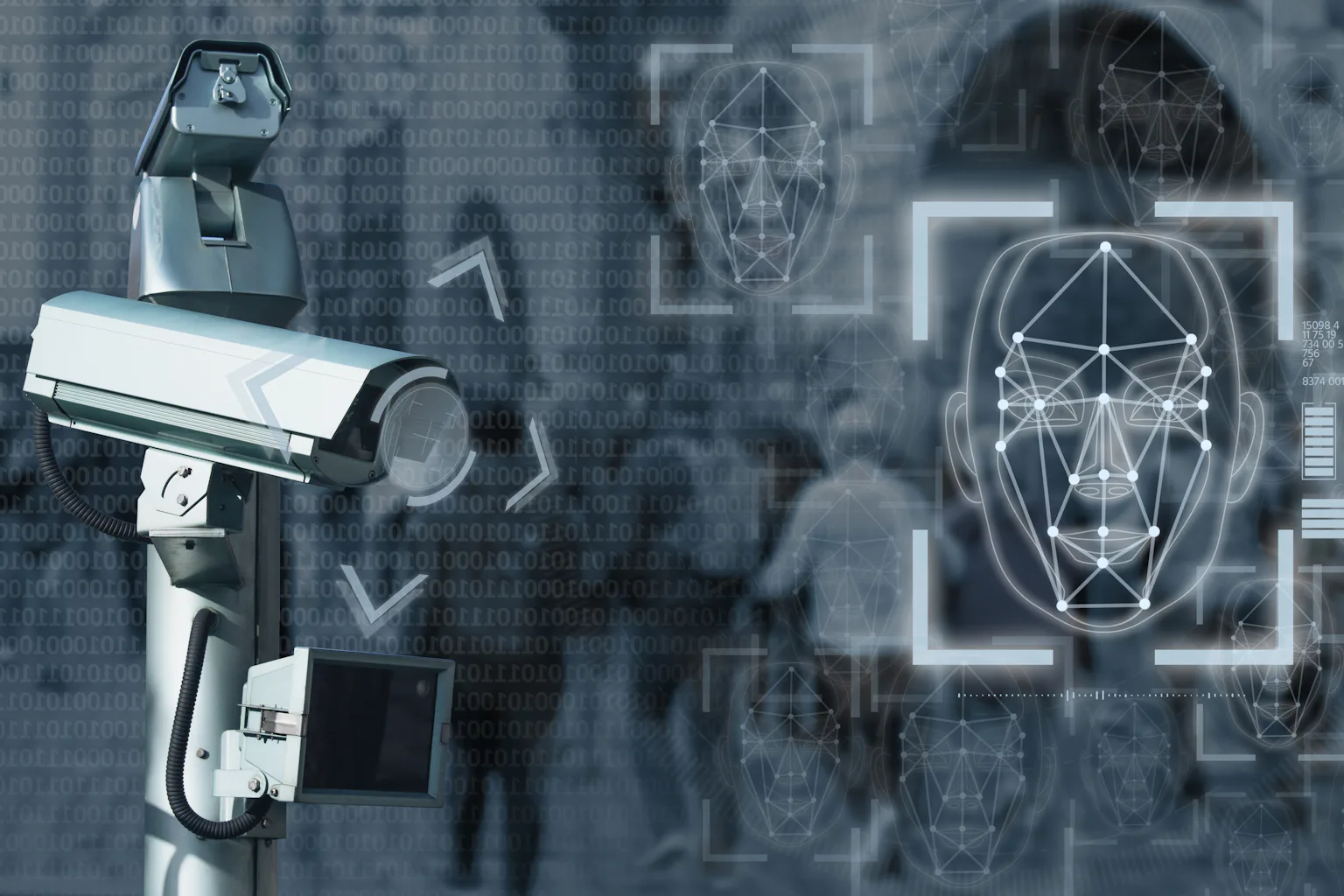
Surveillance is no longer limited to government agencies or corporate giants—it permeates daily life. Cameras, sensors, smartphones, and online activity constantly collect data, shaping behavior, limiting freedom, and influencing decisions. Recognizing the systems of observation allows individuals to reclaim privacy, navigate exposure, and make strategic choices in a monitored world.
THE OMNIPRESENCE OF WATCHERS
Every digital interaction leaves a footprint, from emails and social media to mobile apps and connected devices. Physical spaces are also monitored through CCTV and smart infrastructure. Awareness of these observation points is crucial for protecting autonomy and controlling personal data.
DATA AS POWER
Collected data is analyzed to predict behavior, influence decisions, and manipulate markets. Companies and governments leverage insights from surveillance to gain advantage, control messaging, and even anticipate personal choices. Understanding this dynamic is key to maintaining independence.
BEHAVIORAL MODIFICATION
The knowledge of being watched changes how people act. Self-censorship, conformity, and altered habits are common responses to surveillance. Recognizing these subconscious adjustments helps reclaim agency and resist manipulation.
TECHNOLOGICAL INSTRUMENTS
Facial recognition, geolocation, AI monitoring, and predictive algorithms extend surveillance into every corner of life. Individuals unaware of these tools remain vulnerable, while those who understand them can minimize exposure and leverage knowledge strategically.
ECONOMIC IMPACT
Surveillance affects opportunities, employment, and access to services. Algorithms can influence credit, pricing, or visibility, subtly controlling access and outcomes. Strategic awareness and digital hygiene help mitigate these risks and maintain freedom of choice.
LEGAL AND ETHICAL CONSIDERATIONS
Many surveillance systems operate in gray areas of law and ethics. Understanding the regulatory landscape allows informed action, from privacy protection to advocacy. Knowledge of legal boundaries provides leverage and shields individuals from overreach.
STRATEGIC PRIVACY
Protecting privacy requires deliberate measures: encryption, anonymization, selective disclosure, and cautious online behavior. Strategic management of exposure converts vulnerability into controlled advantage, minimizing the impact of ubiquitous monitoring.
SOCIAL AND PSYCHOLOGICAL EFFECTS
Surveillance creates social pressure, alters behavior, and reinforces conformity. Awareness of these subtle influences enhances decision-making, allowing individuals to act authentically despite observation.
LEVERAGING INFORMATION
Understanding surveillance patterns provides opportunities for negotiation, strategic movement, and control over personal exposure. Knowledge becomes a defensive and offensive tool, turning constant observation into manageable insight.
THE FUTURE OF SURVEILLANCE
Monitoring technologies will continue to expand and integrate into daily life. Preparing for this reality through awareness, strategic action, and autonomy ensures resilience. Individuals who understand the mechanics of surveillance maintain freedom while others unwittingly adapt to control.











Comments
No comments yet, be the first submit yours below.