The Quiet Expansion of Everyday Surveillance

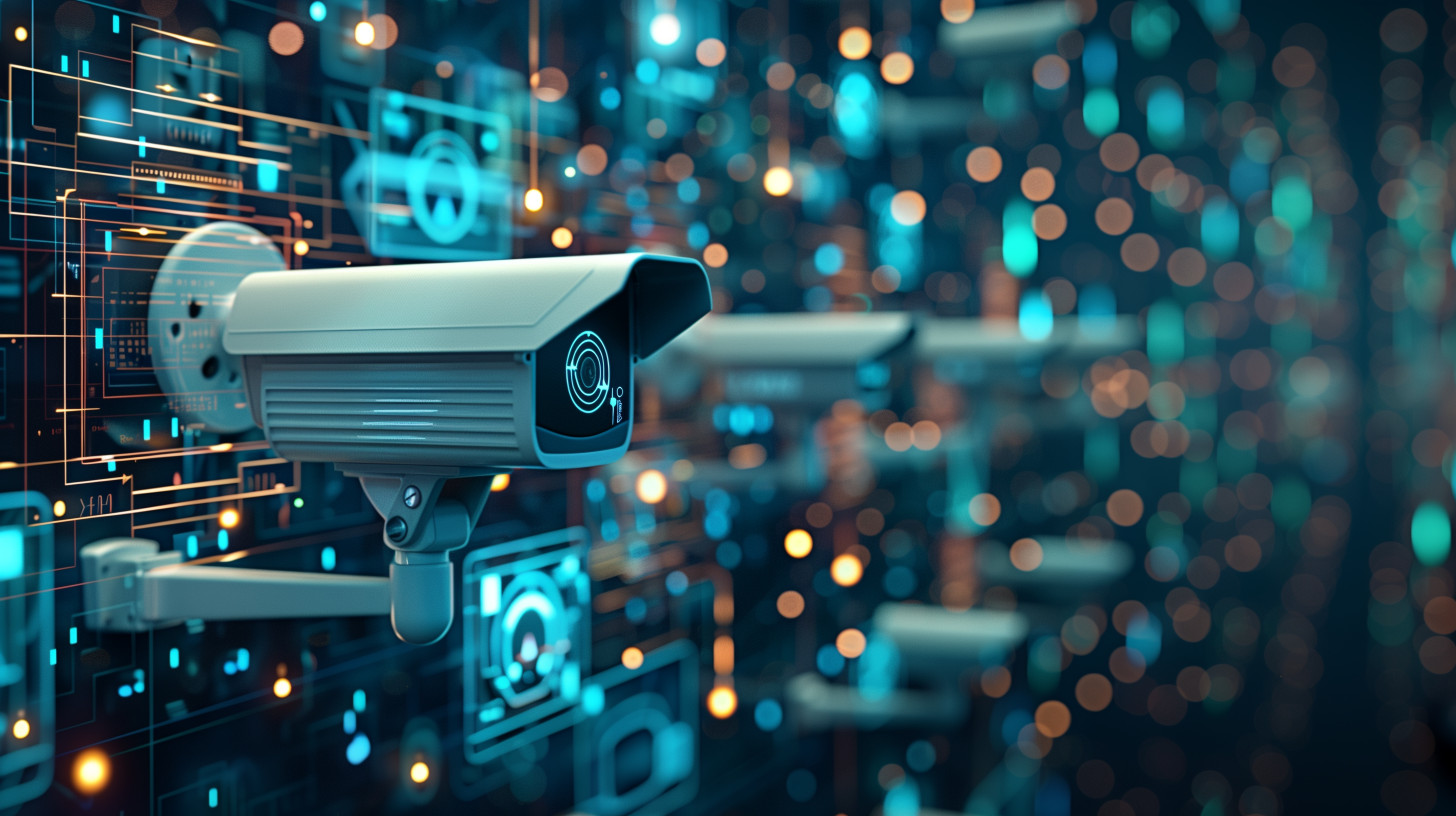
Surveillance used to be something people associated with spy movies.
In the past, surveillance felt like something reserved for intelligence agencies and secret investigations. Cameras, tracking, and monitoring were imagined as tools used in extreme situations. Today, however, surveillance has quietly become part of everyday life. It exists in streets, workplaces, smartphones, and even inside homes.
Technology made monitoring easier than ever.
Security cameras are now inexpensive and widely installed in stores, parking lots, apartment buildings, and neighborhoods. Smartphones track location data, browsing habits, and app usage. Even everyday devices like smart speakers, fitness trackers, and connected appliances collect information about daily routines.
Data became the new currency.
Companies gather massive amounts of data because information about behavior is extremely valuable. Knowing where people go, what they buy, what they watch, and what they search allows businesses to target advertisements, shape recommendations, and influence consumer decisions.
Convenience often hides the trade-off.
Many surveillance systems are accepted because they come packaged with convenience. Navigation apps provide traffic updates by tracking locations. Online platforms personalize content by analyzing activity. Smart home devices automate daily tasks by monitoring usage patterns. The benefits feel useful, but they rely on constant data collection.
Awareness changes how people interact with technology.
Understanding how surveillance works doesn’t mean rejecting modern technology entirely. Instead, it encourages people to think more carefully about what information they share, which permissions they grant, and which services they rely on most heavily.
The modern world didn’t become more monitored overnight. It expanded slowly, one device, one camera, and one data agreement at a time.










Comments
No comments yet, be the first submit yours below.