We Learned How to Become Famous Before We Learned How to Own Anything

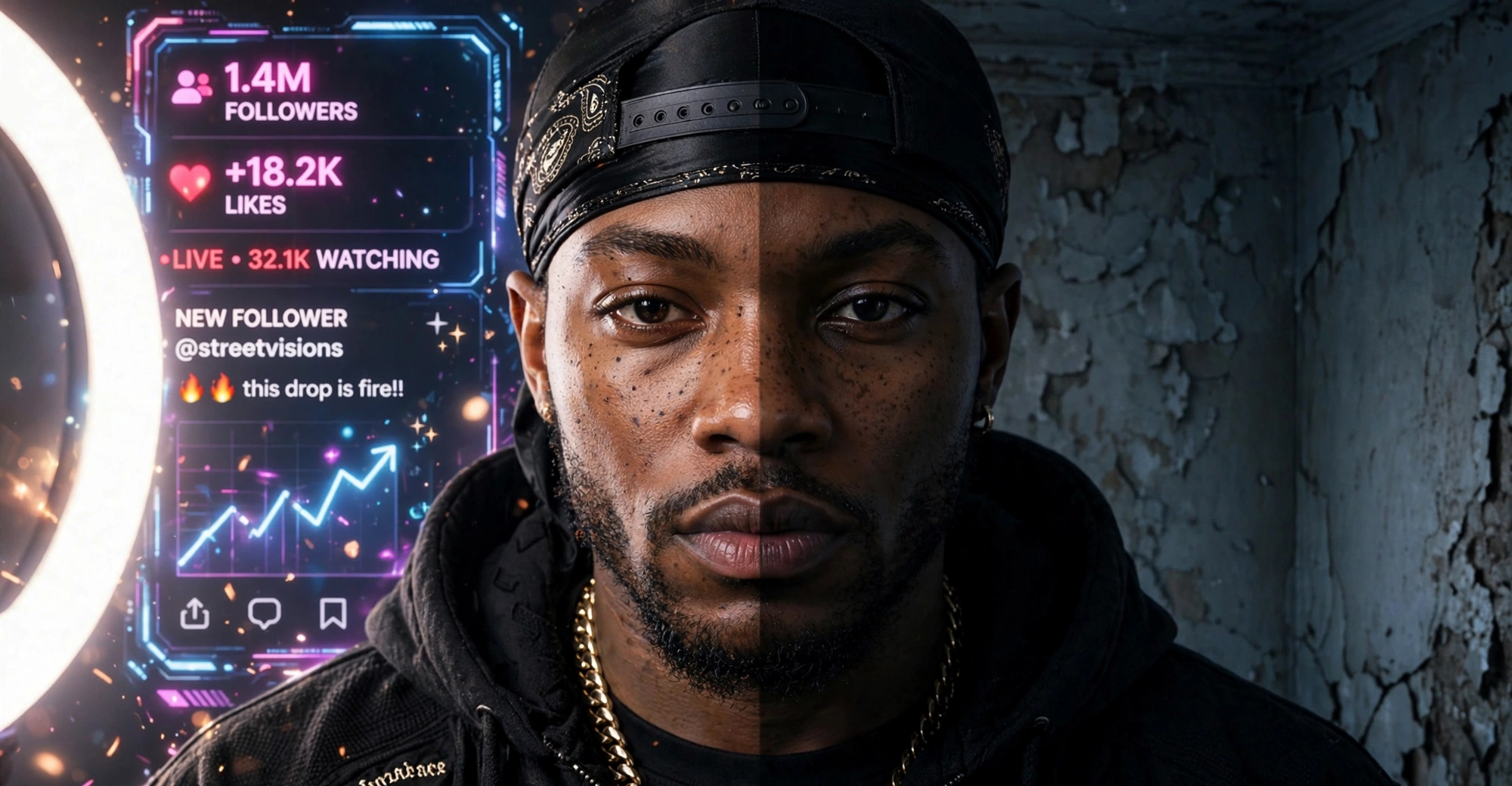
We spent years learning how to get attention. We didn't spend nearly enough time learning what to do with it once we had it.
That's one of the strangest things about modern culture.
Everybody wants to go viral.
Everybody wants followers.
Everybody wants the song to blow up.
Everybody wants the video to hit a million views.
But very few people stop and ask the question that comes after the attention:
“What do I actually own?”
Because attention and ownership are two completely different things.
You can have 100,000 followers and still have no direct relationship with your audience.
You can have millions of views and still have very little control over what happens next.
You can make a song everybody knows and still not own the rights that generate the long-term value.
You can build an entire community on somebody else's platform and wake up one morning to discover that the algorithm changed.
The audience didn't disappear.
Your access to the audience did.
That's the difference between having attention and having an asset.
For generations, people were taught to chase the spotlight.
Get discovered.
Get signed.
Get famous.
Get the deal.
Get the television appearance.
Get the record contract.
And there's nothing wrong with wanting success.
But the internet quietly changed the equation.
Today, somebody with a laptop can create music, publish videos, build an audience, sell products, launch a website and communicate directly with thousands of people without waiting for a gatekeeper to approve them.
That's enormous power.
But there's a catch.
Most people are still building like they're waiting to be discovered.
We're using 2026 technology with a 1996 understanding of ownership.
That's the part that deserves more attention.
The real flex isn't just getting 100,000 followers.
It's having somewhere those people can actually find you.
A website.
An email list.
A customer database.
Your music catalog.
Your publishing.
Your merchandise.
Your intellectual property.
Your business.
Your own platform.
Things that don't disappear because somebody changed a recommendation algorithm.
Social media is incredibly powerful.
But social media should be the road leading people back to something you control—not necessarily the entire house.
Don't confuse the place where people discover you with the place where your business lives.
That's especially important for independent artists.
Because an artist can spend years building a following while somebody else owns the infrastructure connecting that artist to the audience.
The platform owns the rules.
The platform controls distribution.
The platform controls the interface.
The platform can change the algorithm.
The platform can change monetization.
And sometimes the platform can simply decide that your content isn't getting the same reach anymore.
That's not necessarily evil.
It's just business.
Which means creators have to think like businesses too.
Attention is rented. Ownership is different.
And this goes beyond music.
It applies to comedians.
Photographers.
Writers.
Podcasters.
Entrepreneurs.
Influencers.
Anybody building something online.
The goal shouldn't be to abandon social media.
The goal should be to use it strategically.
Let the platforms bring people to you.
Then give those people somewhere deeper to go.
Somewhere you control.
Because followers are not the finish line.
They're an opportunity.
Views aren't the business.
They're attention that can potentially become a business.
Viral isn't ownership.
Viral is a moment.
The real question is what you build after everybody starts paying attention.
Because fame can disappear.
Algorithms can change.
Platforms can fall.
Trends can die.
But something you actually own can continue working long after the attention moves somewhere else.
Maybe the next generation shouldn't just dream about becoming famous.
Maybe we should teach them to become owners.


Comments
No comments yet, be the first submit yours below.